
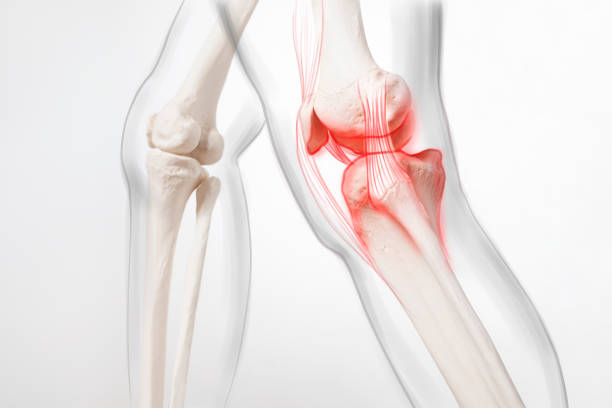
Why Your Knee Makes a Clicking Sound & When It’s a Red Flag
Many knees click — sometimes it's harmless, other times it points to a problem. Learn common causes, red flags, and when to book an assessment.
Knee clicking (also called crepitus or popping) is a frequent concern. Most of the time it’s harmless — caused by gas bubbles or normal tendon movement. However, when clicking is accompanied by pain, swelling, locking or instability, it may indicate underlying structural problems needing assessment.
Common harmless causes
1. Cavitation (gas bubble pop)
Similar to knuckle cracking, gas bubbles in joint fluid can make a popping noise when pressure changes. This is usually painless and not harmful.
2. Tendon movement
Tendons gliding over bony surfaces can snap or click — for example, the patellar or iliotibial band moving slightly. Often painless and related to tightness or biomechanics.
3. Cartilage wear & crepitus
Roughened cartilage surfaces (early osteoarthritis) can create a grinding or crackling sensation — sometimes with mild discomfort, stiffness or swelling.
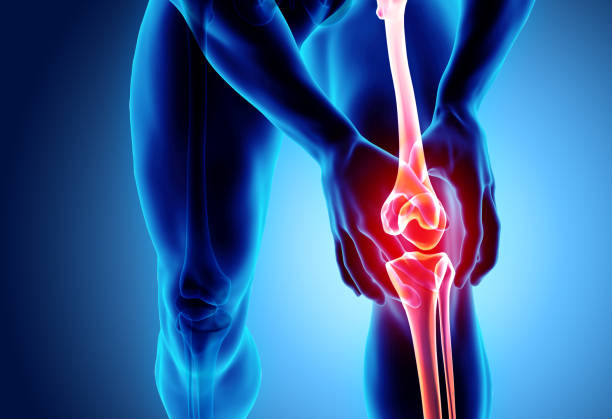
When clicking is a red flag — get assessed if you have:
- Persistent or worsening pain with the clicking
- Recurrent swelling after activity
- Locking or catching where the knee gets stuck
- Giving way or instability during movement
- Recent injury followed by new clicking
Common structural causes to consider
Meniscal tears
A torn meniscus can produce clicking, catching and locking — often after a twist or pivot. Associated swelling and pain on the joint line are common.
Patellofemoral maltracking
Maltracking of the kneecap can lead to painful clicking, especially when rising from a chair, squatting or climbing stairs. Strength and control around the hip and quad are important.
Loose bodies or cartilage flaps
Detached fragments from cartilage or osteochondral injuries can catch and click inside the joint — these often cause mechanical symptoms and may require imaging and surgical opinion.
How a physiotherapist assesses clicking knees
- Detailed history (onset, mechanism, associated symptoms)
- Functional and special tests for meniscus, ligaments, and patellar tracking
- Load and movement analysis (single-leg squat, step test)
- Referral for imaging (MRI/X-ray) when mechanical or structural problems are suspected
Treatment approaches depending on cause
If benign (gas/tendon):
- Activity modification and reassurance
- Stretching for tight tendons and progressive strengthening
- Improve movement patterns and load capacity
If structural (meniscus/cartilage):
- Targeted rehab to restore strength & control
- Loading strategies to reduce symptoms and protect tissue
- Imaging and orthopaedic collaboration if mechanical symptoms persist or function is limited
Clicking with pain or locking?
Book a clinical assessment at YOS — we’ll identify the cause and create a clear plan (conservative or referral) to get you moving pain-free.
Book AppointmentHome steps to try safely
- Avoid painful twisting activities and deep squats for a short period
- Use ice and elevation if the knee swells after activity
- Perform gentle quad activation (quad sets) and pain-free range exercises
- See a physiotherapist if clicking is accompanied by pain, swelling, locking or instability
How YOS approaches noisy knees
We rapidly screen cause and risk, use targeted exercise and movement retraining, and only pursue imaging or surgical referral when clinically required. Many noisy knees improve substantially with focused rehab and load management.