
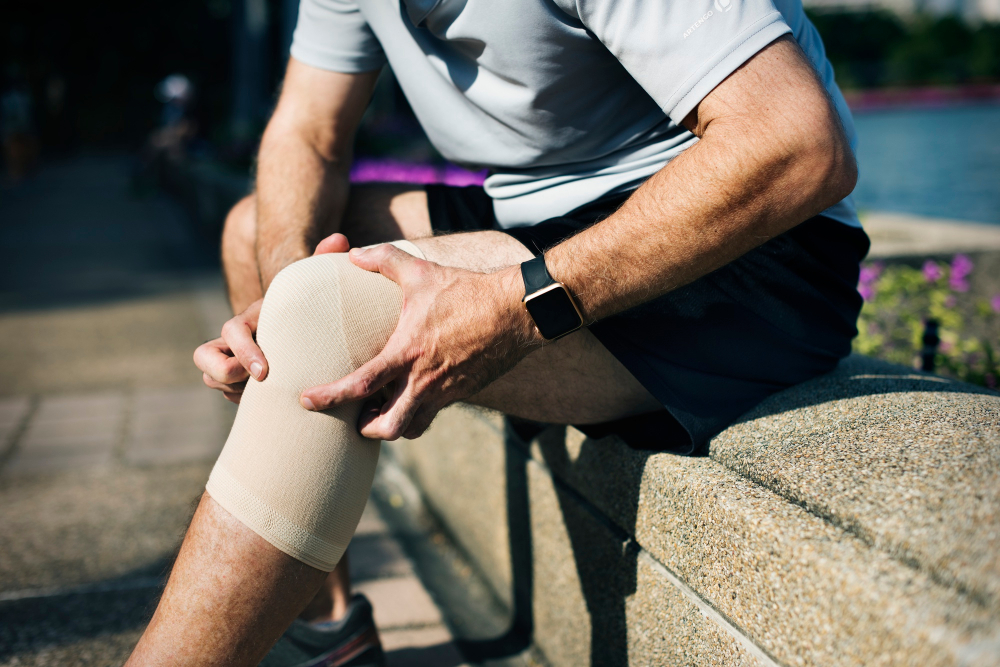
ACL Injury: Early Symptoms You Should Never Ignore
Recognise early ACL injury signs and get timely physiotherapy — early action improves outcomes.
Anterior cruciate ligament (ACL) injuries are common in sports and high-impact activities. Early recognition and prompt management are essential — they reduce the chance of long-term instability, meniscal damage, and potential need for surgery.
What is the ACL?
The ACL is a key stabilising ligament inside the knee that prevents excessive forward translation and rotation of the tibia relative to the femur. It is commonly injured during sudden deceleration, pivoting, or awkward landings.
Early Symptoms You Should Never Ignore
1. A Loud “Pop” at the Time of Injury
Many patients report hearing or feeling a pop in the knee during the incident. This is a red flag and should prompt immediate assessment.
2. Rapid Swelling (Within 6–12 Hours)
A hemarthrosis (blood in the joint) frequently causes rapid swelling following an ACL tear. If swelling develops quickly after an injury, seek evaluation.

3. Severe Pain and Difficulty Bearing Weight
Acute pain that prevents you from walking or placing full weight on the leg is a sign that immediate care is needed.
4. Instability or a Sense of the Knee “Giving Way”
Even without severe pain, if your knee feels unstable — especially when trying to twist, turn, or change direction — this suggests ligamentous compromise.
5. Limited Range of Motion
When swelling and pain limit bending or straightening the knee, it reduces function and delays recovery if not addressed early.
First Steps — What to Do Immediately
- Stop activity and avoid weight-bearing if possible.
- RICE: Rest, Ice, Compression, Elevation for the first 24–48 hrs to control swelling.
- Seek assessment with a physiotherapist or orthopaedic clinician — early clinical tests plus imaging (if needed) help confirm the diagnosis.
Why Early Physiotherapy Matters
Early physiotherapy aims to control pain and swelling, restore range of motion, and begin targeted muscle activation — especially of the quadriceps and hamstrings. This early work:
- Reduces the risk of secondary damage (e.g., meniscal tears)
- Improves strength and joint control
- Helps determine whether non-surgical management may be successful
- Optimises outcomes if reconstruction becomes necessary
Non-Surgical Management — When It Works
Not all ACL injuries require reconstruction. Non-surgical (conservative) management can be successful for:
- Low-demand patients (less pivoting sports)
- Partial tears with good ligament function
- Patients who regain stability and strength through supervised rehab
Signs That Surgery May Be Needed
- Persistent giving way despite well-supervised rehabilitation
- High-level athletes planning to return to pivoting sports
- Associated structural damage (large meniscal tears, loose fragments)
How YOS Health Approaches ACL Injuries
At YOS, our team provides rapid assessment, personalised rehab plans, neuromuscular training, balance & proprioception programmes, and sport-specific return-to-play protocols. When required, we collaborate with orthopaedic surgeons to optimise surgical timing and post-op rehab.
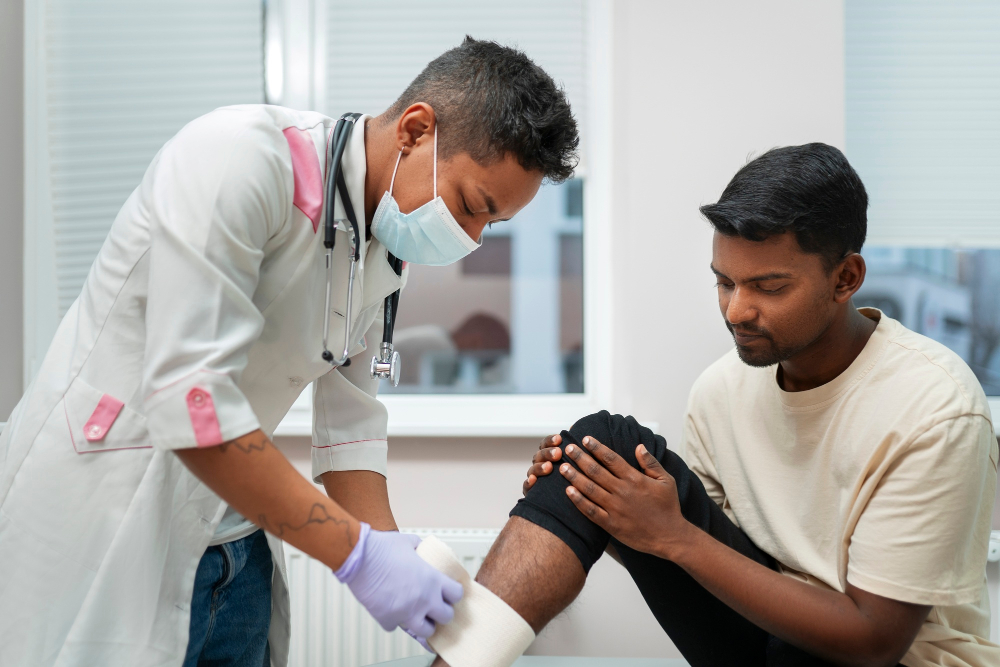
Worried you have an ACL injury?
Book a clinical physiotherapy assessment at YOS — early action improves recovery.
Book AppointmentQuick FAQ
How soon should I see someone after a suspected ACL injury?
As soon as possible — ideally within a few days. Early assessment helps guide imaging and treatment decisions.
Will physiotherapy stop me needing surgery?
Physiotherapy can be successful for many patients. However, some injuries — especially in high-demand athletes or those with marked instability — may still need reconstruction. The goal is the right choice for your function and goals.