

Meniscus Tear: Signs, Causes & When to See a Physio
Understand how meniscal injuries occur, common symptoms, and how physiotherapy helps—when to seek assessment and non-surgical options.
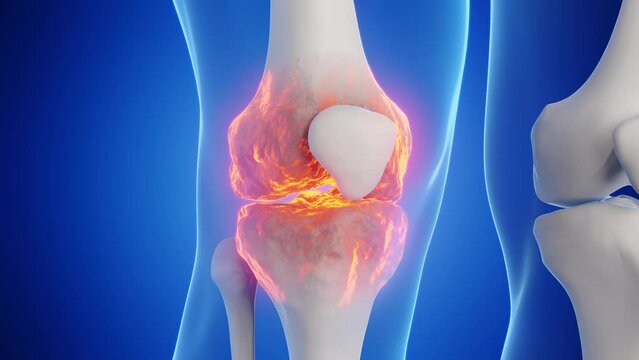
The meniscus is a C-shaped cartilage inside the knee that helps absorb shock and stabilise the joint. Tears of the meniscus can occur suddenly during twisting movements or develop gradually from degeneration. Recognising symptoms early allows for better conservative care and reduces the chance of long-term damage.
Common causes of meniscus tears
- Traumatic tears: sudden twisting, pivoting or an awkward landing — often in sports.
- Degenerative tears: wear-and-tear with age; the meniscus becomes weaker and more prone to tearing with minimal trauma.
- Combined injuries: can occur with ACL ruptures or other ligament damage.
Signs & symptoms to watch for
- Pain along the joint line (inside or outside of the knee)
- Swelling or stiffness that may come on slowly
- Locking or catching sensations — the knee may catch or feel stuck
- Difficulty fully straightening or bending the knee
- A feeling of instability or giving way in some cases
How is a meniscus tear diagnosed?
Your clinician will take a detailed history and perform specific clinical tests (McMurray, Thessaly tests) to reproduce symptoms. Where necessary, imaging such as an MRI helps confirm the tear's location and pattern, which guides management decisions.
When to see a physiotherapist — immediate & urgent signs
- Severe swelling or inability to weight-bear after an injury
- Locking that prevents movement — suggests a displaced fragment
- Persistent pain that limits daily activities beyond a few days
- If you have a combined ligament injury (e.g., ACL) — early physio helps prepare for the best outcome
Conservative (non-surgical) management
Many meniscal tears — especially degenerative patterns or small peripheral tears — respond well to physiotherapy. Conservative care includes:
- Activity modification to reduce aggravating movements
- Early swelling control and pain management
- Targeted strengthening (quadriceps, hamstrings, glutes)
- Balance, proprioception and movement retraining
- Gradual return-to-activity plan with objective criteria
When surgery is considered
Surgery (arthroscopic repair or partial meniscectomy) may be recommended when:
- There is a displaced flap causing locking or mechanical symptoms
- Large tears in younger patients that are repairable
- Symptoms persist despite an adequate trial of conservative care
Knee pain or locking? Book an assessment.
Early assessment helps decide if physiotherapy will work or if surgical referral is needed. Book with YOS today.
Book AppointmentSelf-care tips until you see a clinician
- Use ice and elevation to control swelling (20 minutes every 2–3 hours early on).
- Avoid deep squats and twisting activities that reproduce pain.
- Use crutches briefly if weight-bearing is painful — aim to progress as pain allows.
- Keep the knee moving within pain-free range to avoid stiffness.
How YOS approaches meniscus rehab
We perform a rapid clinical assessment, use targeted rehab to restore strength and movement, and provide a clear plan — conservative when possible, or collaborative surgical referral when needed. Our goal is to preserve knee function and delay or avoid surgery when appropriate.