
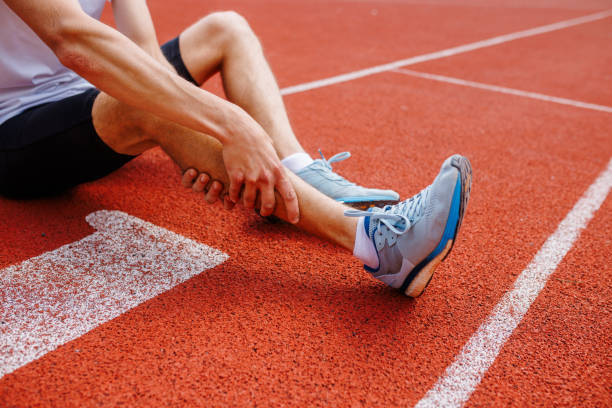
Best Treatments for Runner’s Knee (Patellofemoral Pain Syndrome)
Evidence-based physiotherapy treatments for Runner’s Knee: strengthening, load management, taping, gait retraining and footwear advice.
Runner’s Knee, commonly known as Patellofemoral Pain Syndrome (PFPS), causes pain around or behind the kneecap. It typically worsens with running, stairs, squatting or prolonged sitting. PFPS is usually a load and movement problem — which makes it highly treatable with physiotherapy.
Why PFPS occurs
- Poor hip and knee control causing maltracking of the patella
- Weakness in quadriceps (especially VMO) and glute muscles
- Sudden increases in running volume or intensity
- Poor footwear or abnormal foot mechanics (overpronation)
1. Strengthening (the cornerstone)
Progressive strengthening of the quadriceps, gluteus medius and hip external rotators improves knee control and reduces pain. Start with low-load, high-quality movement and progress to heavier, sport-specific loading.
2. Load management & training modification
Reduce training volume or intensity temporarily, avoid steep hills, and replace some runs with cross-training (cycling, swimming) until symptoms settle. Gradually re-introduce running with a structured plan.
3. Taping & short-term supports
Patellar taping (e.g., McConnell) and temporary bracing can reduce pain during early rehab, allowing patients to complete exercise therapy more comfortably.
4. Gait & technique retraining
Adjusting cadence, foot-strike, and running posture reduces patellofemoral load. Small technique changes can produce large pain reductions.
5. Footwear & orthotics
When overpronation or poor cushioning is a contributor, a footwear review or orthotic can reduce excessive knee loads.
6. Manual therapy & soft-tissue work
Hands-on techniques, soft tissue release, and targeted mobility work support exercise-based rehab but are not replacements for strengthening.
Typical rehab timeline
- 0–2 weeks: pain control, gentle activation (isometrics), and reduce aggravating load
- 2–6 weeks: progressive strengthening, motor control, and short running bouts as tolerated
- 6+ weeks: advanced strength, plyometrics, and return-to-run progression guided by objective criteria
Struggling with Runner’s Knee?
Book a running assessment at YOS — we’ll create a personalised rehab plan and guide your return to running safely.
Book AppointmentWhen to see a physiotherapist
- Pain that persists >10–14 days despite self-management
- Running performance or distance falling off
- Significant swelling, locking or instability
How YOS treats PFPS
Our approach combines objective assessment, video gait analysis, progressive strengthening, movement retraining and practical load management. We monitor progression with strength and functional tests and tailor return-to-run programmes to your goals.