
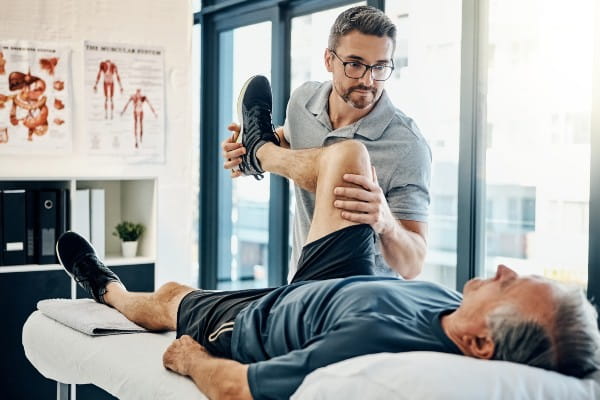
How a Structured ACL Rehab Program Improves Recovery Outcomes
A structured, criterion-based ACL rehabilitation programme reduces reinjury risk, improves strength symmetry and supports a safer return to sport.
ACL rehabilitation is more than time on a calendar — it’s about progressing through clearly defined phases, meeting objective criteria, and preparing the athlete physically and psychologically for return to sport. Structured programmes blend progressive loading, neuromuscular training, objective testing and individualised milestones to optimise outcomes.
Why structure matters
- Objective progression: using measurable strength and hop tests prevents premature return to risky activities.
- Reduced re-injury: programs using criteria-based clearance reduce second-injury rates compared with time-based returns.
- Consistent milestones: patients know what to expect at each phase which improves adherence and confidence.
Core components of an effective structured ACL program
1. Early restoration (0–6 weeks)
Goals: control swelling, restore pain-free range of motion, re-activate quadriceps and hamstrings. Early progressive weight-bearing and gait training are started as soon as safe.
2. Strength & motor control (6–12 weeks)
Goals: build concentric and eccentric strength, establish hip and knee control, introduce single-leg strength work and balance progressions.
3. Power, agility & sport-specific loading (3–6 months)
Goals: develop power, controlled change-of-direction, plyometrics and reactive control. Progressive exposure to sport-like tasks under supervision.
4. Return-to-sport criteria & testing (6–9+ months)
Objective criteria often used: ≥90% limb symmetry on isokinetic/handheld strength tests, ≥90% on multi-hop tests, movement quality assessments and psychological readiness scales.
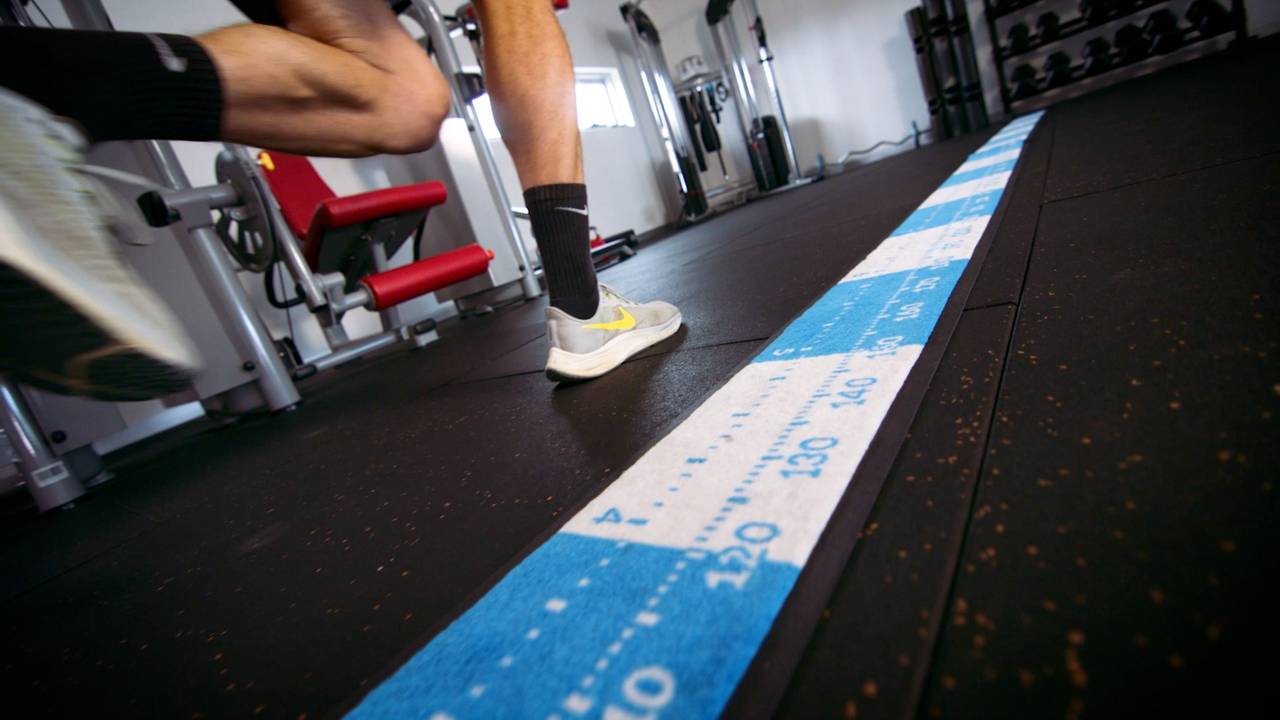
Objective testing reduces guesswork
Relying on objective tests (strength dynamometry, hop tests, movement screens) helps clinicians make safer return-to-sport decisions than calendar time alone. These tests also identify deficits that require targeted interventions before progressing load.
Multidisciplinary support improves outcomes
Combining physiotherapy with surgical teams, sports psychologists and strength & conditioning specialists provides holistic care — addressing graft healing, movement competency and confidence for high-demand sport.
How YOS implements structured ACL rehab
- Baseline and serial objective testing (strength, hop, movement)
- Phase-based targets and clear progression criteria
- Individualised exercise prescription and load management
- Video feedback, gait retraining and sport-specific conditioning
- Psychological readiness screening and goal-setting
Need a structured ACL plan?
Book an ACL assessment at YOS — we’ll map your rehab phases, set objective milestones and support your safe return to sport.
Book AppointmentPractical tips for patients
- Adhere to the programme — consistency matters more than short bursts of effort.
- Measure progress — ask your therapist for objective tests and keep a rehab log.
- Be patient — quality of return matters more than speed; rushing increases re-injury risk.