
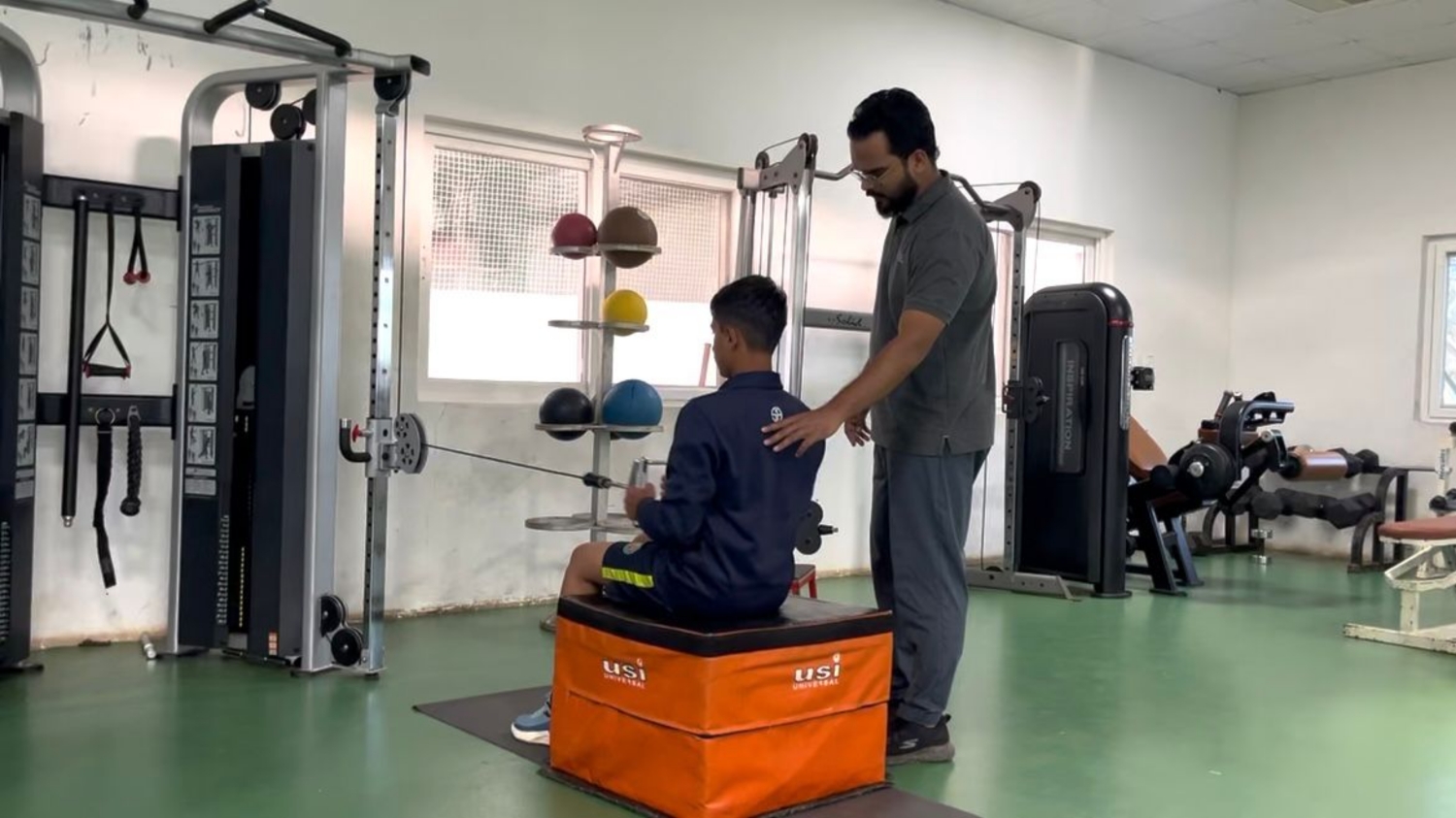
What Happens If You Skip Physiotherapy After Surgery?
Surgery can successfully address structural problems — but without proper rehabilitation, the body may struggle to regain normal function.
Many patients assume that once the procedure is complete, healing will occur naturally with rest alone. While rest is important initially, skipping physiotherapy can significantly delay recovery and increase the risk of long-term complications.
Why Physiotherapy Is Not Optional
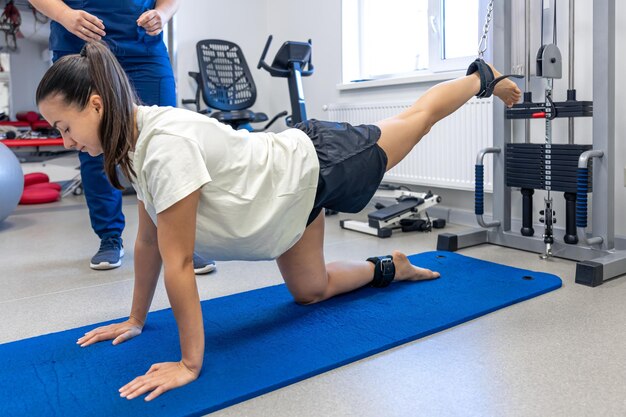
Post-operative rehabilitation is designed to guide the body safely back to movement. Controlled exercises help tissues heal correctly while preventing the negative effects of prolonged inactivity.
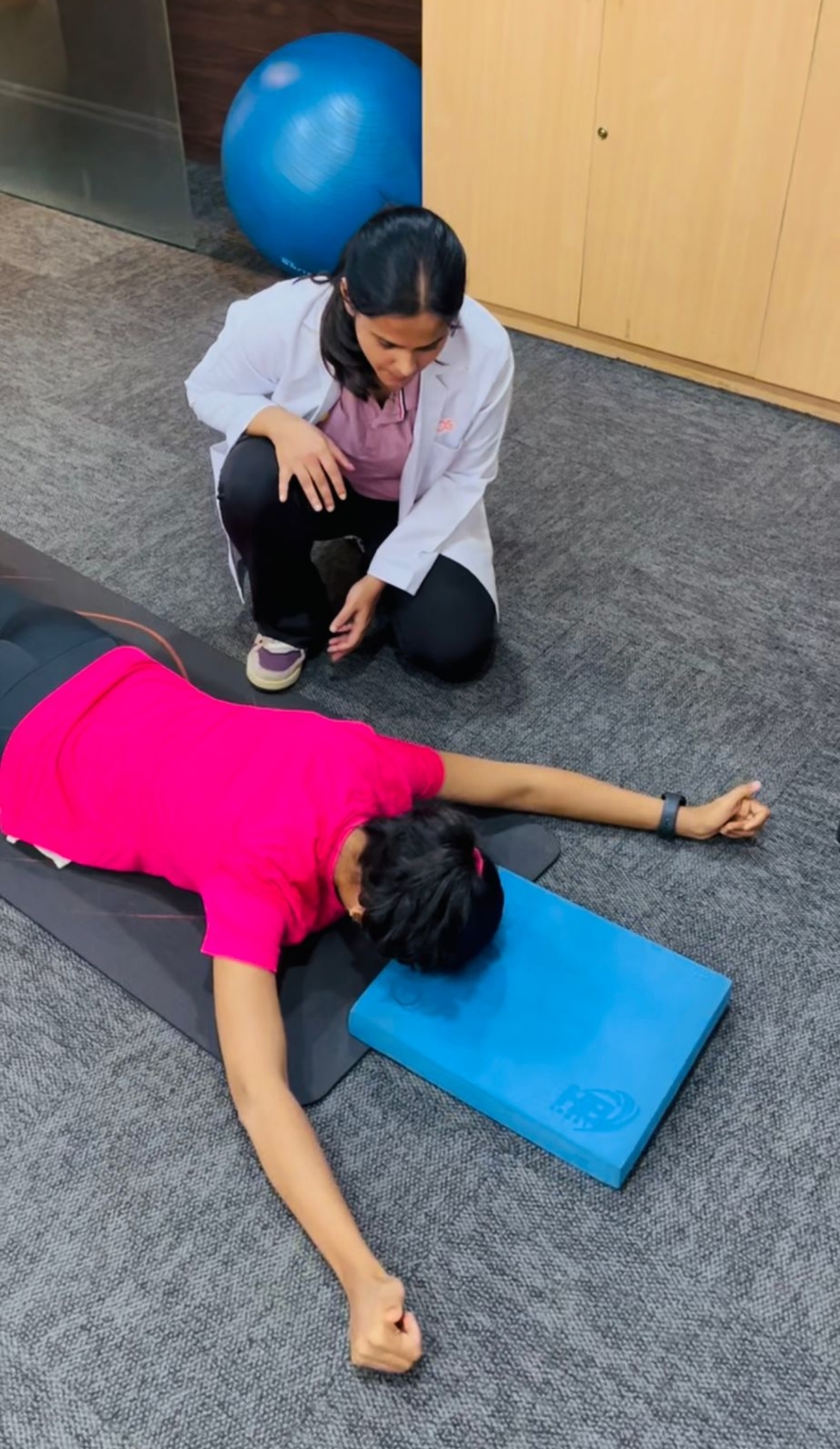
What Can Happen If You Skip Rehab?
1. Persistent Joint Stiffness
Without early movement, joints may lose flexibility. Over time, stiffness becomes harder to reverse and can permanently limit mobility.
2. Muscle Weakness
Muscles begin to weaken rapidly after surgery. Without targeted strengthening, everyday activities such as walking, climbing stairs, or lifting objects may remain challenging.
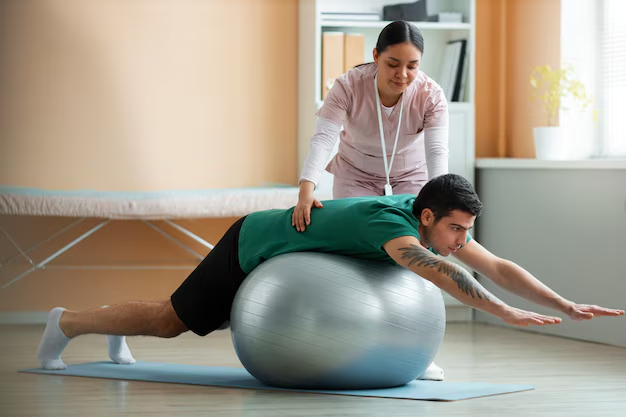
3. Poor Movement Patterns
The body often compensates to avoid discomfort, placing extra stress on surrounding joints and muscles. These altered patterns can lead to secondary injuries.
4. Increased Pain
Contrary to common belief, avoiding movement does not always reduce pain. Gradual, guided activity often helps decrease discomfort and restore confidence.
5. Slower Overall Recovery
Patients who skip physiotherapy frequently take longer to return to work, sport, and daily life.
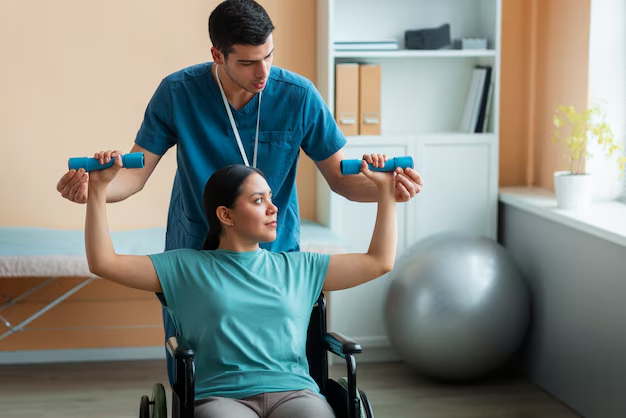
6. Higher Risk of Long-Term Limitations
Inadequate rehabilitation can affect long-term strength, flexibility, and functional independence — sometimes requiring extended therapy later.
Why Some Patients Avoid Physiotherapy
- Fear of pain
- Misconception that rest alone is enough
- Underestimating the importance of rehab
- Concerns about time commitment
In reality, structured physiotherapy often makes recovery smoother and more efficient.
The Value of Early Guided Movement
Physiotherapists carefully progress activity based on surgical protocols and healing stages — ensuring exercises are both safe and effective.
This balance prevents overloading tissues while avoiding the setbacks associated with inactivity.
The Psychological Impact
Recovery is not purely physical. Having a structured rehabilitation plan provides reassurance, measurable progress, and renewed confidence in movement.
The YOS Health Approach
At YOS Health, post-operative physiotherapy is tailored to each patient’s surgery, lifestyle, and recovery goals. Through personalised programmes and close clinical supervision, we help ensure that surgical success translates into lasting functional improvement.
Don’t Let Surgery Be Only Half the Solution
Complete your recovery with expert-guided physiotherapy designed to restore strength, mobility, and confidence.
Book AppointmentQuick FAQ
Is physiotherapy always necessary after surgery?
Most orthopaedic procedures benefit significantly from structured rehabilitation to restore normal movement and strength.
Can skipping physio cause permanent problems?
In some cases, untreated stiffness and weakness may lead to lasting functional limitations.
What if I start physiotherapy late?
Rehabilitation can still help, but delayed care often requires more time and effort to achieve optimal outcomes.