
Returning to Sports After ACL Surgery: A Physiotherapy Roadmap
Anterior cruciate ligament (ACL) reconstruction is a major step toward restoring knee stability — but returning to sport requires far more than surgical success alone.
A structured physiotherapy program is essential for rebuilding strength, restoring neuromuscular control, and preparing the body for the dynamic demands of athletic activity. Rushing this process can significantly increase reinjury risk.
Why Returning to Sport Requires Careful Planning
Even when pain subsides, the knee may not yet be ready for high-impact movements such as pivoting, cutting, or jumping. True readiness depends on strength symmetry, movement quality, and functional performance.

The Physiotherapy Roadmap to Return-to-Sport
Phase 1: Protection and Early Recovery
The initial weeks focus on protecting the graft while restoring basic mobility.
- Swelling and pain management
- Gentle range-of-motion exercises
- Early quadriceps activation
- Gradual weight-bearing
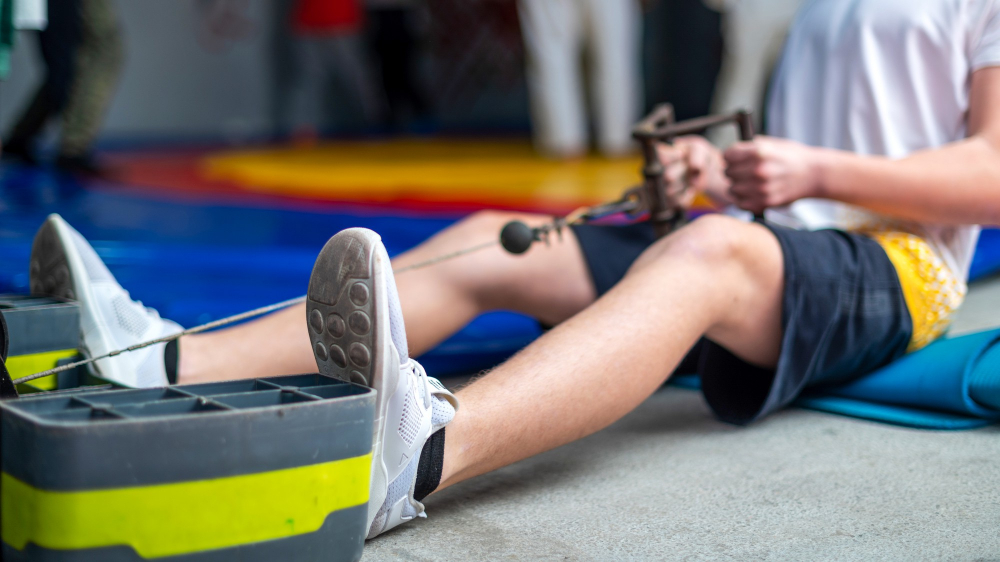
Phase 2: Strength Restoration
As healing progresses, strengthening becomes the priority.
- Progressive resistance training
- Hip and core strengthening
- Improved movement mechanics
- Stationary cycling or low-impact cardio
Phase 3: Neuromuscular and Balance Training
Stability is critical for injury prevention. This phase retrains the body to respond effectively to rapid directional changes.
- Proprioceptive training
- Single-leg balance work
- Controlled agility drills
- Landing mechanics
Phase 4: Sport-Specific Conditioning
Rehabilitation now mirrors the demands of your sport.
- Acceleration and deceleration drills
- Cutting and pivoting practice
- Plyometric exercises
- Endurance conditioning
When Is It Safe to Return to Sport?
Time alone should never determine readiness. Instead, physiotherapists evaluate objective criteria such as:
- Strength comparable to the uninjured leg
- Excellent balance and control
- Proper landing mechanics
- Confidence during sport-like movements
Many athletes return between 6 to 12 months, though timelines vary depending on the individual and sport.
The Risk of Returning Too Soon
Athletes who resume sport prematurely face a significantly higher risk of graft failure and secondary knee injuries.
Patience during rehabilitation often leads to stronger long-term performance.
The Psychological Component
Fear of reinjury is common after ACL reconstruction. Gradual exposure to sport-specific movements helps rebuild trust in the knee while improving performance confidence.
Performance Often Improves After Rehab
Many athletes return stronger than before because rehabilitation addresses weaknesses, movement inefficiencies, and muscular imbalances that may have contributed to the initial injury.
The YOS Health Approach
At YOS Health, ACL rehabilitation is guided by evidence-based progression and performance-focused training. Our goal is not simply to help you return to sport — but to ensure you do so with strength, stability, and resilience.
Planning Your Comeback?
Follow a structured physiotherapy pathway designed to help you return to sport safely and confidently.
Book AppointmentQuick FAQ
Can I speed up ACL recovery?
Safe progression — not rushing — is the key to successful recovery. Structured physiotherapy often produces the best outcomes.
Will my knee ever feel normal again?
With comprehensive rehabilitation, many athletes regain excellent function and return to pre-injury activity levels.
Do all athletes return to sport after ACL surgery?
Most can, particularly when rehabilitation is consistent and guided by objective return-to-play criteria.