
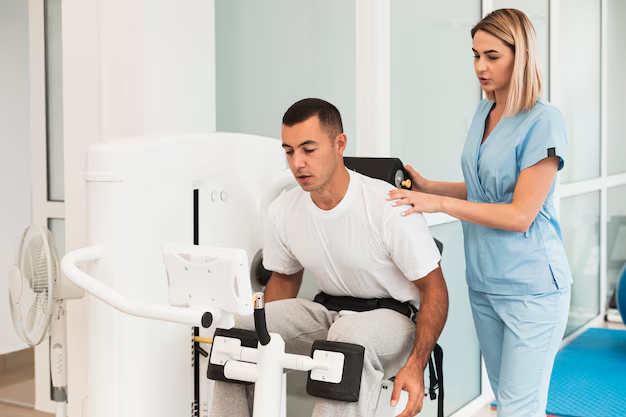
Post-Surgery Rehab: Timeline, Exercises, and What to Expect
Surgery is only the beginning of recovery. Structured rehabilitation plays a critical role in restoring mobility, rebuilding strength, and helping you return safely to everyday life.
Many patients feel uncertain about what happens after an operation — how long recovery will take, when movement is safe, and what exercises are appropriate. Understanding the rehabilitation process can reduce anxiety and help you stay actively engaged in your healing journey.
Why Post-Surgical Rehabilitation Is So Important
After surgery, the body naturally protects the affected area through inflammation and reduced movement. While this response supports healing, too much inactivity can lead to stiffness, muscle loss, and delayed functional recovery.
Physiotherapy introduces carefully controlled movement that promotes tissue repair while preventing secondary complications.

The Typical Post-Surgery Rehab Timeline
Phase 1: Early Recovery (Days to Weeks)
The initial phase focuses on protecting the surgical site while gently reintroducing movement.
- Pain and swelling management
- Breathing and circulation exercises
- Gentle range-of-motion work
- Assisted mobility such as walking
Phase 2: Strength and Mobility (Weeks to Months)
As healing progresses, rehabilitation becomes more active.
- Progressive strengthening
- Joint mobility restoration
- Balance and stability training
- Improved weight-bearing tolerance
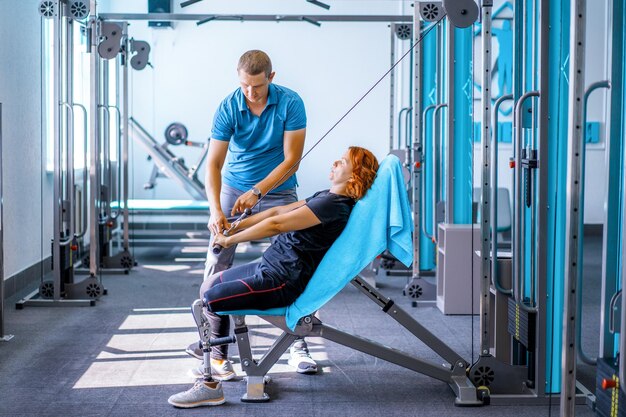
Phase 3: Functional Recovery (Months and Beyond)
The final phase prepares you for daily activities, work demands, or athletic participation.
- Functional movement training
- Endurance development
- Advanced coordination exercises
- Gradual return to sport or higher activity levels
Essential Exercises You May Encounter
Range-of-Motion Exercises
These gentle movements prevent stiffness and help joints regain normal flexibility.
Muscle Activation Exercises
Early activation protects against rapid strength loss and supports joint stability.
Progressive Strength Training
Gradual resistance training rebuilds muscle capacity and prepares the body for functional tasks.
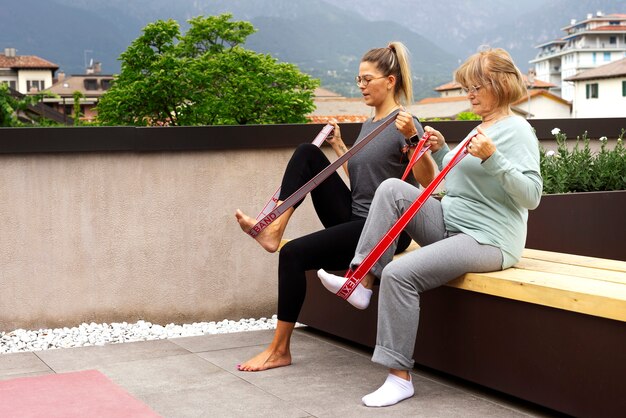
Balance and Coordination Training
These exercises restore neuromuscular control, reducing fall risk and improving movement confidence.
What Patients Often Underestimate
Recovery is rarely linear. Some days feel easier than others, and temporary setbacks are normal. Consistency with physiotherapy is one of the strongest predictors of successful outcomes.
Factors That Influence Recovery Speed
- Type of surgery performed
- Pre-surgical fitness levels
- Age and general health
- Adherence to rehabilitation
- Lifestyle habits such as sleep and nutrition
The Importance of Professional Guidance
Advancing exercises too quickly may compromise healing, while excessive caution can slow progress. A physiotherapist ensures each phase aligns with surgical protocols while promoting steady improvement.

The YOS Health Approach
At YOS Health, post-operative rehabilitation is built around personalised care pathways. Our clinicians combine evidence-based techniques with close monitoring to help you regain strength, mobility, and independence as efficiently as possible.
Starting Your Recovery Journey?
Expert-guided physiotherapy can make the difference between prolonged limitation and confident movement.
Book AppointmentQuick FAQ
How long does post-surgery rehab usually take?
Timelines vary widely depending on the procedure, but structured rehabilitation often shortens overall recovery.
Is some discomfort normal during rehab?
Mild discomfort can occur as mobility improves, but exercises should always remain within safe, guided limits.
Can skipping physiotherapy delay recovery?
Yes. Without structured rehabilitation, patients may experience stiffness, weakness, and reduced long-term function.