
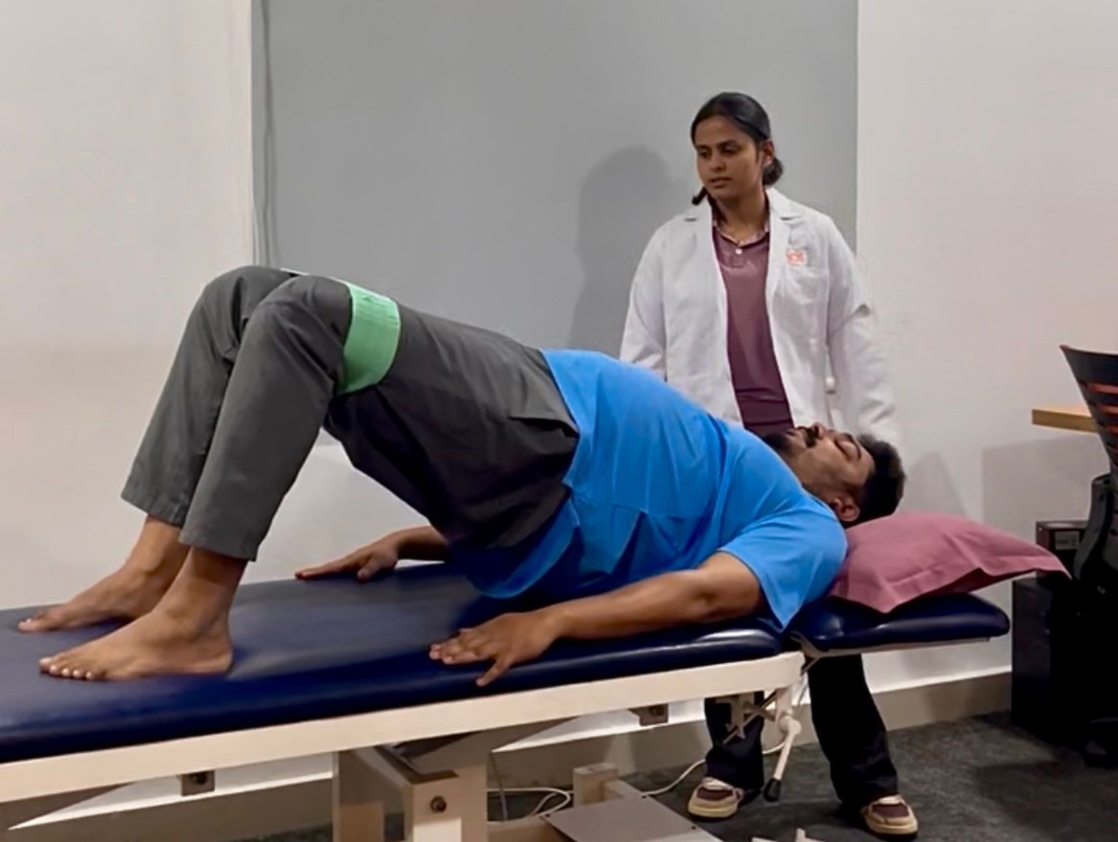
Best Physiotherapy Exercises for Post-Surgical Recovery
Exercise is one of the most powerful tools in post-surgical rehabilitation. When introduced at the right time and progressed safely, it accelerates healing, restores strength, and helps you return to everyday activities with confidence.
While rest plays an important role immediately after surgery, prolonged inactivity can delay recovery. Physiotherapy exercises are carefully designed to protect the surgical site while preventing stiffness, muscle loss, and functional decline.
Why Exercise Matters After Surgery
- Promotes healthy circulation
- Reduces joint stiffness
- Prevents muscle atrophy
- Improves mobility
- Supports faster functional recovery
The key is performing the right exercises at the right stage of healing under professional guidance.
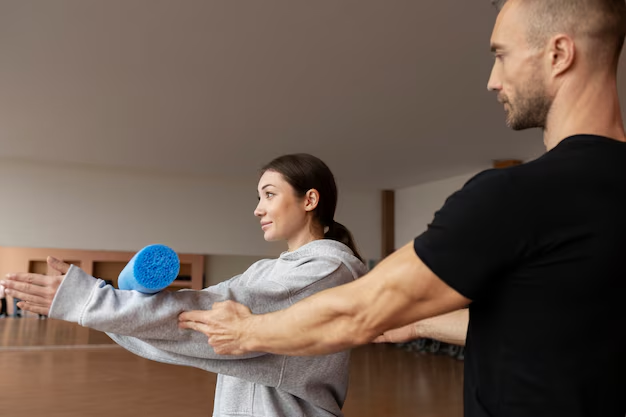
1. Ankle Pumps
Often introduced soon after surgery, ankle pumps involve gently flexing and pointing the foot.
- Encourages blood flow
- Helps reduce swelling
- Lowers the risk of post-operative clotting
Though simple, this exercise plays a critical role in early recovery.
2. Quadriceps Sets
This exercise activates the thigh muscles without stressing the joint — particularly valuable after knee or lower limb procedures.
- Maintains muscle engagement
- Supports joint stability
- Prepares the body for weight-bearing activities
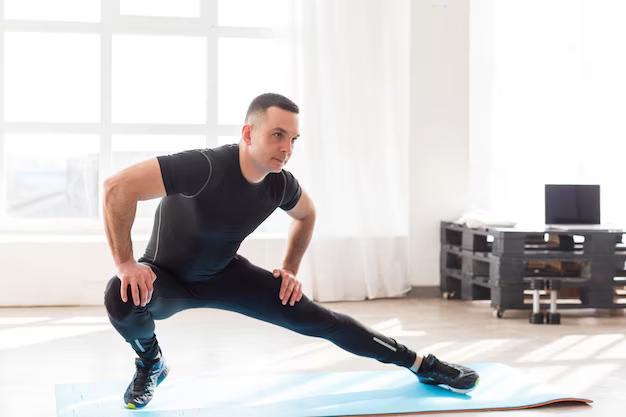
3. Heel Slides
Heel slides gently improve joint mobility by encouraging controlled bending and straightening movements.
- Restores range of motion
- Prevents stiffness
- Enhances movement confidence
4. Glute Bridges
As recovery progresses, bridges help strengthen the posterior chain — essential for walking, climbing stairs, and maintaining posture.
- Builds hip strength
- Supports spinal alignment
- Improves functional mobility
5. Straight Leg Raises
This controlled movement strengthens the hip flexors and quadriceps while protecting healing tissues.
- Improves limb strength
- Supports gait mechanics
- Enhances stability
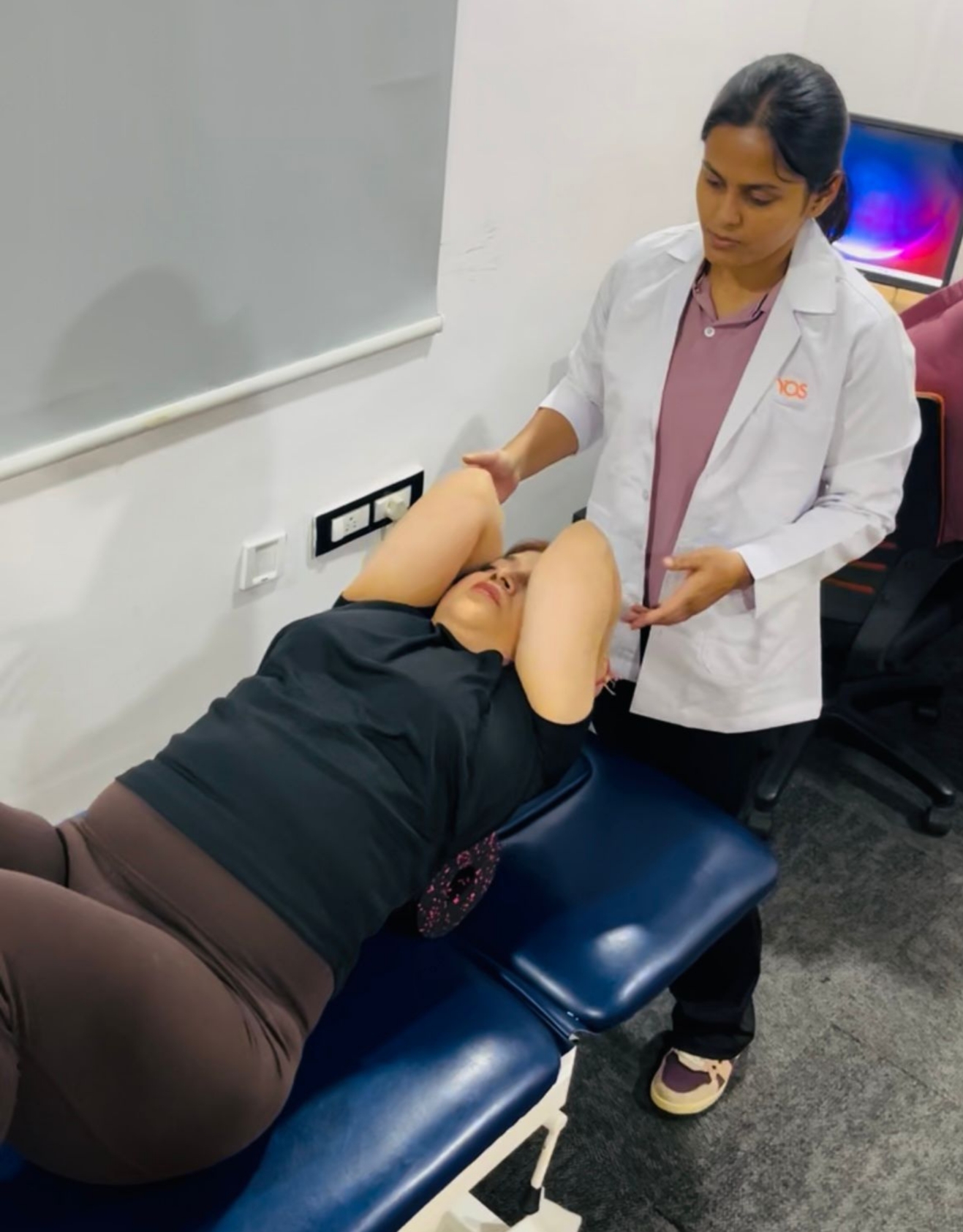
6. Gentle Range-of-Motion Exercises
Depending on the surgery, your physiotherapist may introduce passive or assisted movements to restore flexibility safely.
- Maintains joint health
- Prevents scar tissue restriction
- Encourages smoother movement
When Should You Progress Exercises?
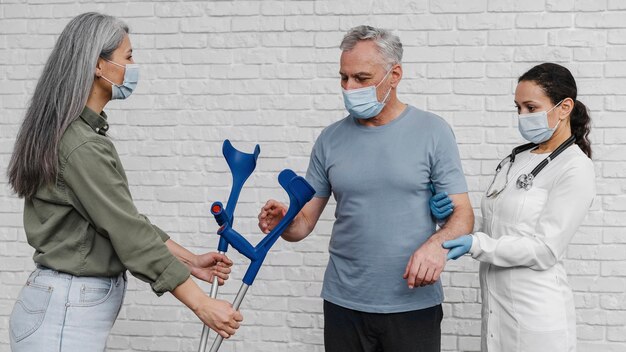
Recovery is not about rushing — it is about progressing safely. Exercises typically advance as pain decreases, mobility improves, and tissues heal.
Attempting advanced movements too early may compromise surgical outcomes, which is why professional supervision is strongly recommended.
Common Mistakes to Avoid
- Doing too much too soon
- Skipping prescribed exercises
- Ignoring pain signals
- Comparing recovery with others
The Role of Consistency
Small, regular efforts often produce better outcomes than occasional intense sessions. Consistency supports gradual tissue adaptation and long-term functional success.
The YOS Health Approach
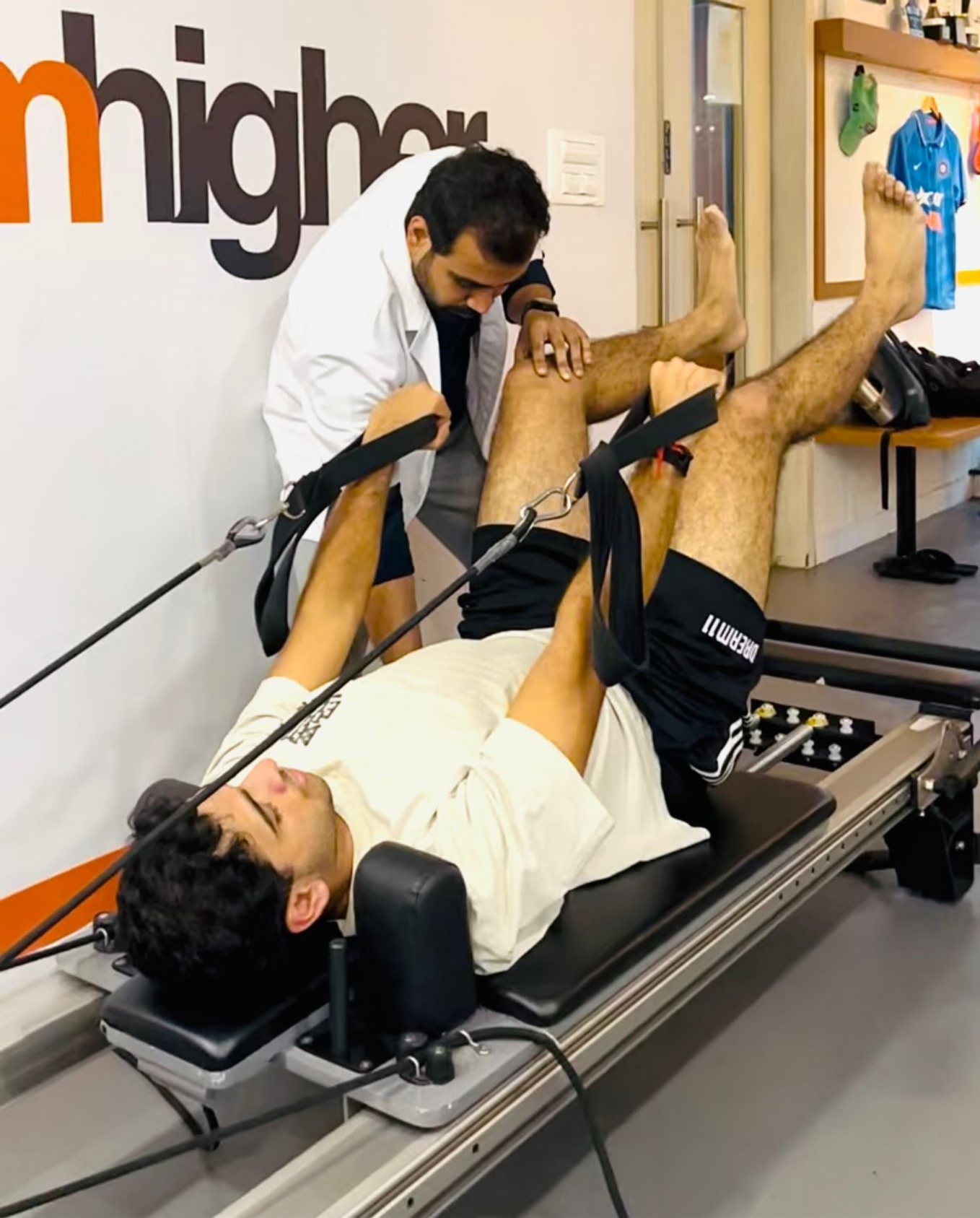
At YOS Health, post-operative exercise programmes are personalised to match your surgery, recovery stage, and lifestyle goals. Through structured progression and close monitoring, we help ensure that every movement contributes to a safer, faster return to normal life.
Recovering From Surgery?
Let expert-guided physiotherapy exercises support your healing and restore your confidence in movement.
Book AppointmentQuick FAQ
Are these exercises safe for all surgeries?
Exercise selection varies depending on the procedure. Always follow a physiotherapist-approved programme tailored to your condition.
How often should I perform post-surgical exercises?
Frequency depends on your rehab plan, but consistency is essential for optimal recovery.
Can exercise really speed up healing?
Yes. Controlled movement improves circulation, supports tissue repair, and restores function more efficiently than rest alone.