
Pelvic Floor Strengthening Exercises Every Woman Should Know
Pelvic floor health plays a vital role in bladder control, core stability, posture, and overall wellbeing — yet it is often overlooked until symptoms appear.
The pelvic floor is a group of muscles that support the bladder, uterus, and bowel. When these muscles weaken, women may experience urinary leakage, reduced core strength, or pelvic discomfort. The good news is that targeted physiotherapy exercises can significantly improve muscle function and quality of life.
Why Pelvic Floor Strength Matters
- Supports bladder and bowel control
- Enhances core stability
- Reduces risk of pelvic organ prolapse
- Aids recovery after pregnancy and childbirth
- Improves posture and spinal support
Importantly, pelvic floor training is beneficial for women of all ages — not only during the postpartum period.
Signs Your Pelvic Floor May Need Strengthening
- Urine leakage when coughing, sneezing, or exercising
- Difficulty controlling gas
- A sensation of heaviness in the pelvis
- Reduced core strength
- Persistent lower back discomfort
These symptoms are common — but not something you simply have to live with.
Pelvic Floor Exercises Every Woman Should Know
1. Kegel Contractions
Gently tighten the muscles you would use to stop the flow of urine. Hold for 5 seconds, then relax for 5 seconds. Aim for 8–10 repetitions.
Avoid holding your breath or tightening your abdomen — the focus should remain on the pelvic muscles.
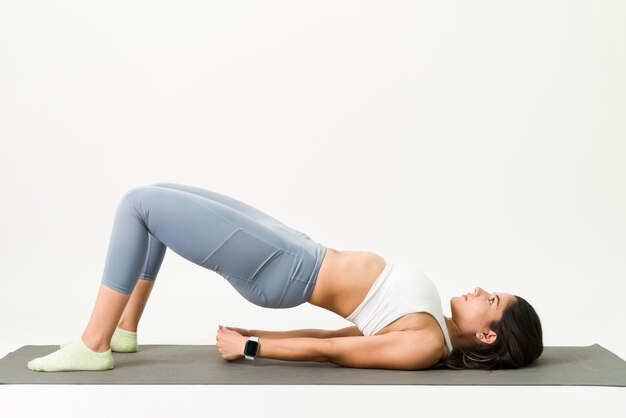
2. Bridge Exercise
Lie on your back with knees bent. Lift your hips slowly while engaging your pelvic floor and gluteal muscles. Hold briefly before lowering with control.
3. Squats with Pelvic Activation
Perform a controlled squat while gently lifting the pelvic floor. This integrates the muscles into functional movement patterns used in daily life.
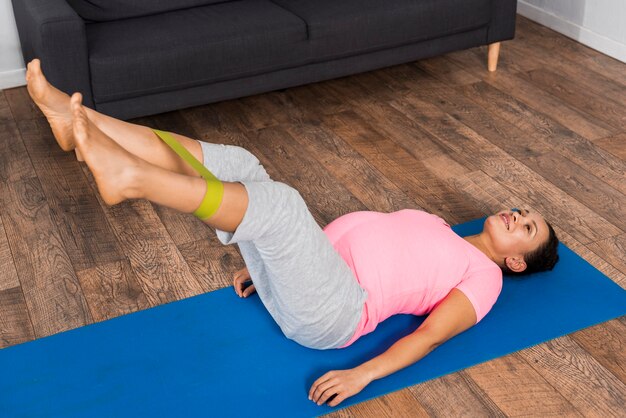
4. Heel Slides
While lying down, slide one heel away from your body while maintaining a light pelvic contraction. This exercise promotes coordination between deep core muscles.
Common Mistakes to Avoid
- Over-tightening instead of controlled activation
- Holding your breath
- Using surrounding muscles instead of the pelvic floor
- Being inconsistent with exercises
If you are unsure whether you are contracting correctly, a physiotherapist can provide guided assessment and feedback.
When Should You See a Physiotherapist?
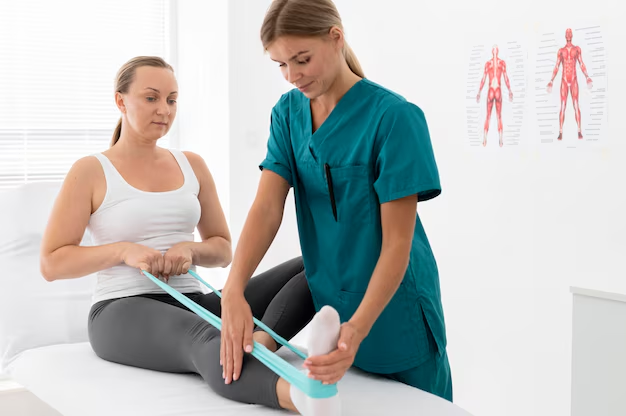
Professional guidance is recommended if symptoms persist, worsen, or interfere with daily activities. Women’s health physiotherapy provides tailored programmes that ensure exercises are both safe and effective.
The YOS Health Approach
At YOS Health, we understand that pelvic health is deeply connected to overall function and confidence. Our clinicians deliver discreet, evidence-based care designed to restore strength, improve control, and support long-term wellbeing.
Prioritise Your Pelvic Health
Strengthening today can prevent complications tomorrow. Schedule a women’s health physiotherapy consultation with our experts.
Book AppointmentQuick FAQ
How long does it take to strengthen the pelvic floor?
Many women notice improvement within 4–6 weeks with consistent training, though optimal strength may take longer.
Can I start these exercises after childbirth?
Yes — but timing and intensity should be guided by a healthcare professional to ensure safe recovery.
Are pelvic floor exercises only for older women?
Not at all. Preventive strengthening benefits women across all life stages, especially those who are physically active or planning pregnancy.