
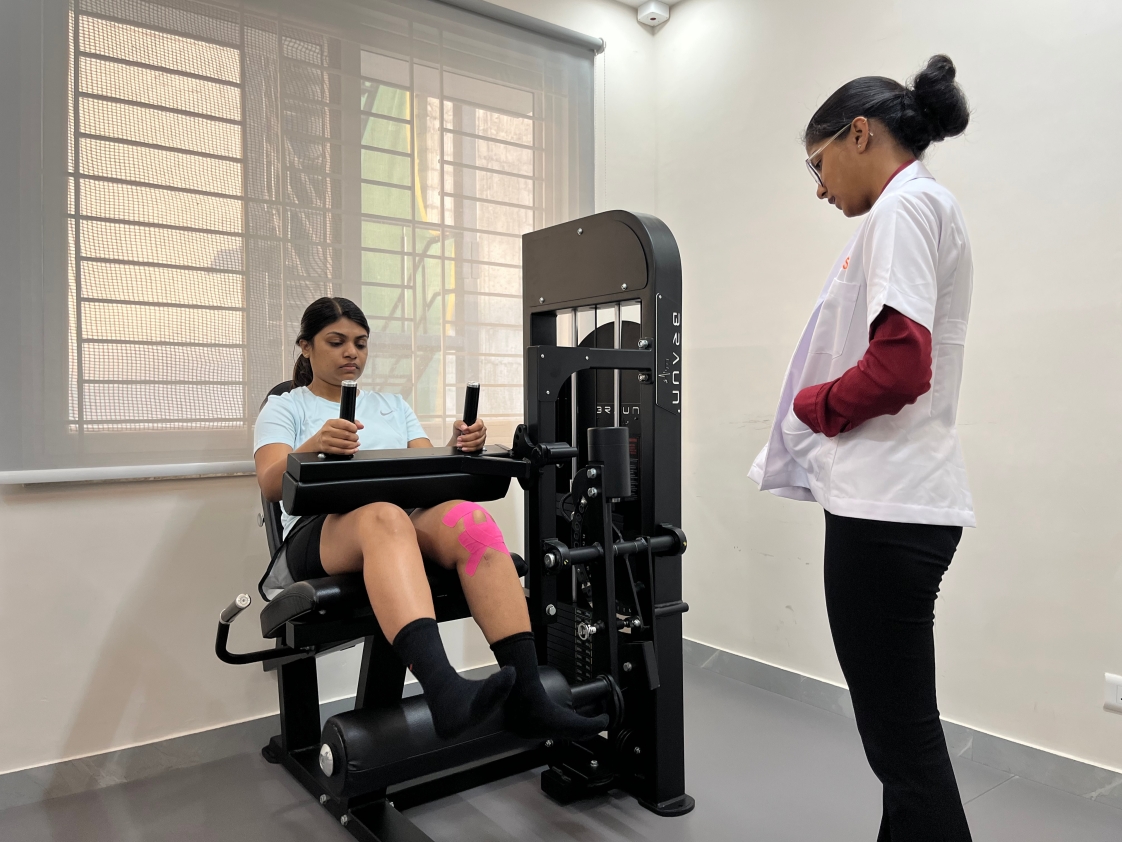
Long-Term Outcomes of Post-Surgical Physiotherapy Programs
Surgery addresses structural problems — but long-term function depends heavily on the quality of rehabilitation that follows.
Many patients focus on short-term recovery, such as walking without assistance or returning to work. However, structured physiotherapy programs influence outcomes months and even years after surgery, shaping strength, mobility, and overall quality of life.
Why Long-Term Recovery Deserves Attention
Healing does not end once pain subsides. Without proper rehabilitation, the body may develop compensatory movement patterns that place excess strain on surrounding joints and tissues.
Physiotherapy ensures recovery is not just rapid — but sustainable.
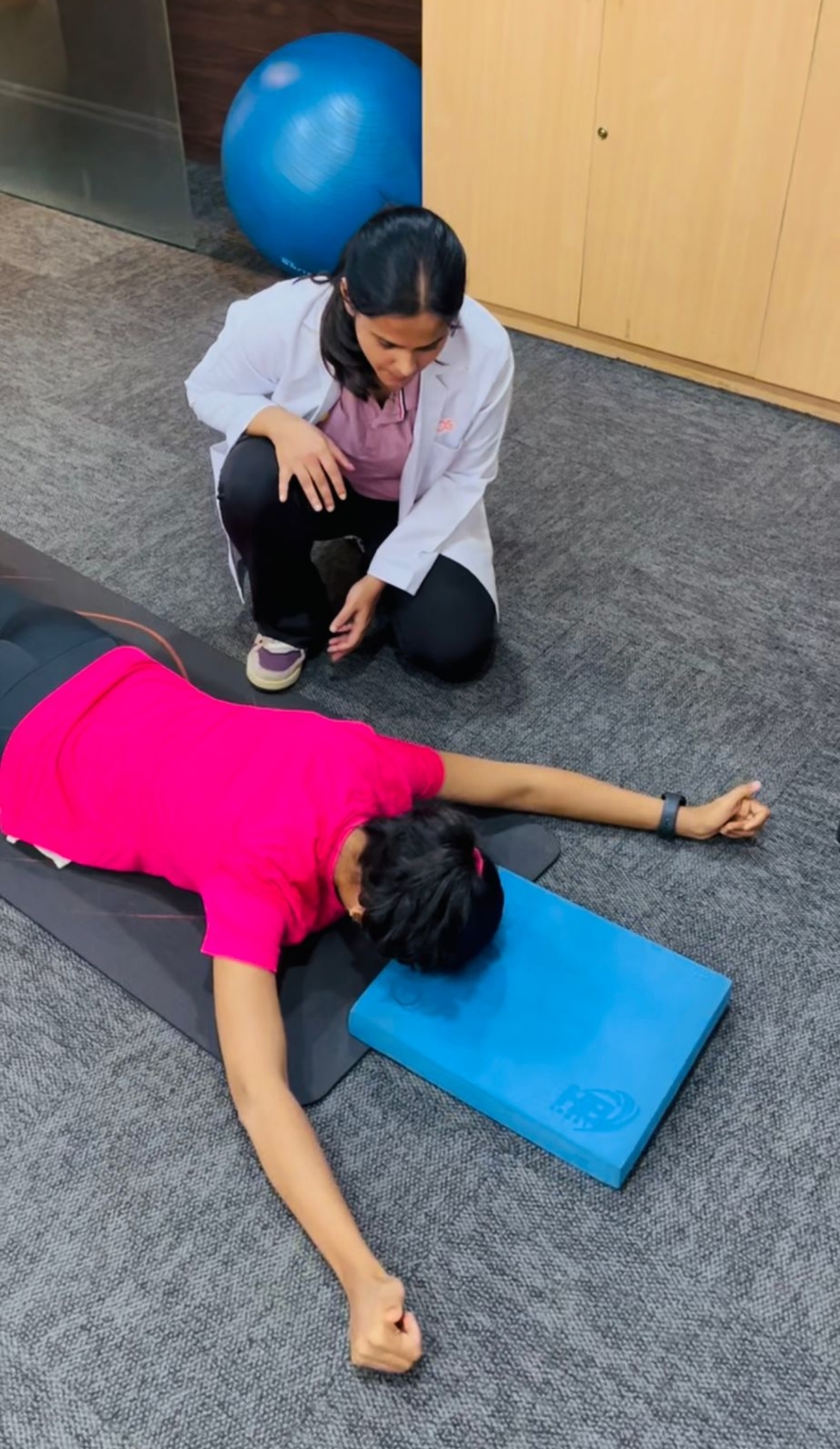
Key Long-Term Benefits of Post-Surgical Physiotherapy
1. Improved Functional Independence
Patients who complete structured rehab programs are more likely to regain the ability to perform daily activities comfortably and confidently.
2. Greater Strength and Joint Stability
Targeted strengthening protects the surgical area while supporting surrounding structures, reducing long-term vulnerability.
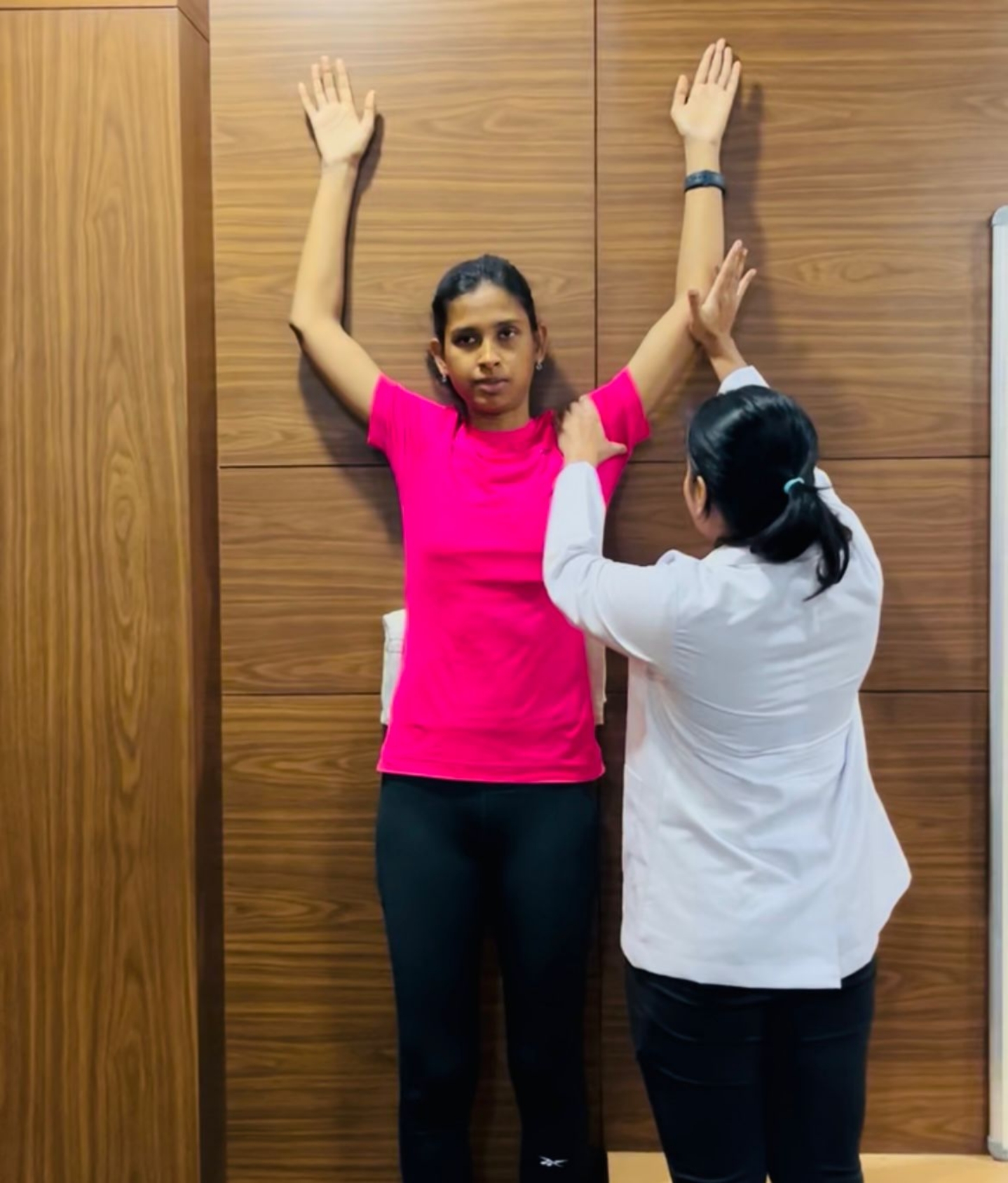
3. Reduced Risk of Reinjury
Rehabilitation addresses underlying biomechanical deficits that may have contributed to the initial problem.
4. Enhanced Mobility and Flexibility
Maintaining joint motion prevents chronic stiffness and promotes efficient movement patterns.
5. Better Long-Term Pain Control
Patients who engage in physiotherapy often experience fewer persistent pain issues compared to those who rely solely on rest.
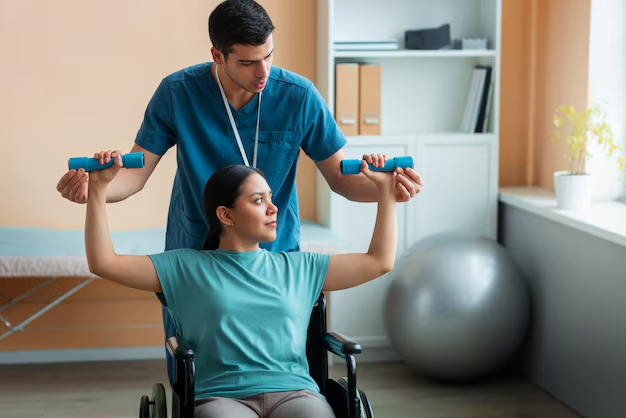
The Cost of Incomplete Rehabilitation
Ending physiotherapy prematurely can compromise surgical outcomes. Residual weakness, limited mobility, and poor movement mechanics may surface months later — sometimes requiring renewed treatment.
Investing in full rehabilitation early often prevents prolonged challenges.
How Physiotherapy Supports Lifelong Joint Health
- Encourages safe loading of healing tissues
- Promotes muscular balance
- Improves posture and alignment
- Builds resilience against future strain
The Psychological Advantage
Long-term recovery is not purely physical. Patients who regain strength and mobility often report higher confidence levels, greater activity participation, and improved overall wellbeing.
Consistency: The Hidden Driver of Success
Rehabilitation is most effective when approached as a continuum rather than a short-term intervention. Consistent effort allows the body to adapt progressively, supporting lasting functional gains.
The YOS Health Approach
At YOS Health, post-surgical physiotherapy extends beyond immediate recovery. Our programs are designed to optimise long-term outcomes through personalised care, progressive exercise strategies, and ongoing clinical guidance — helping patients move confidently for years to come.
Invest in Your Long-Term Recovery
Structured physiotherapy today can shape your mobility, strength, and independence for the future.
Book AppointmentQuick FAQ
How long should post-surgical physiotherapy continue?
Duration varies by procedure, but continuing rehab until functional goals are achieved significantly improves long-term outcomes.
Can stopping physiotherapy early affect results?
Yes. Incomplete rehabilitation may leave residual weakness or mobility limitations that become more noticeable over time.
Is long-term rehab only for major surgeries?
Even less invasive procedures benefit from structured recovery to ensure optimal function and prevent recurrence.